
The Prosecution’s Use of Testimony
American PrometheusThis thread traces how testimony from friends, rivals, and officials was shaped into a security case against Oppenheimer.
increasing Bearing strength in each event
 decreasing
Bearing strength in each eventdecreasingThe File Before the Hearing
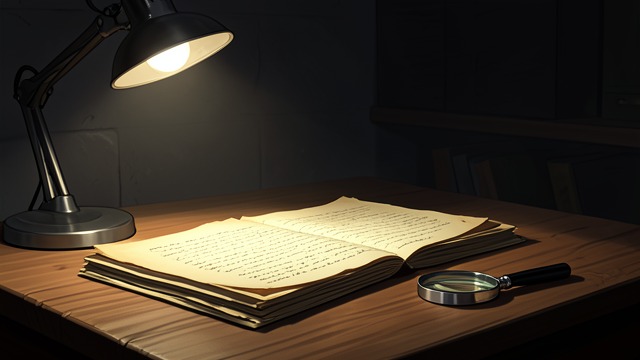
The File Before the Hearing
A vast record
The AEC assembled FBI reports, wiretaps, and allegations about Oppenheimer’s political life. The material included both verified facts and unreliable gossip.
Unequal access
The security board reviewed documents unavailable to Oppenheimer’s attorneys. The imbalance allowed the prosecution to set the context before witnesses spoke.
The Prosecutor’s Strategy
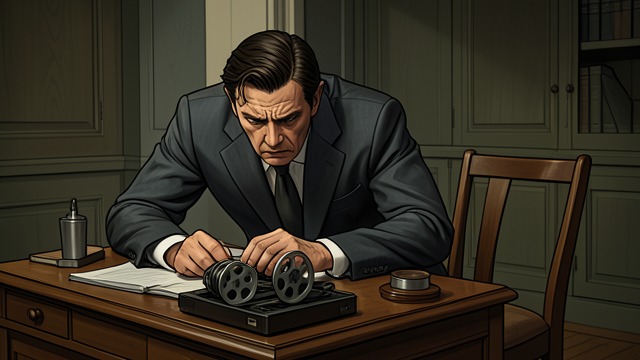
The Prosecutor’s Strategy
A planned cross-examination
Robb studied the recorded Pash interview and prepared sequences designed to unsettle Oppenheimer. He aimed to expose inconsistencies and establish that the scientist had lied.
Reputation as a target
The strategy did not need to prove espionage. If Robb could make Oppenheimer appear unreliable, the board could deny clearance on judgment alone.
Groves Takes the Stand
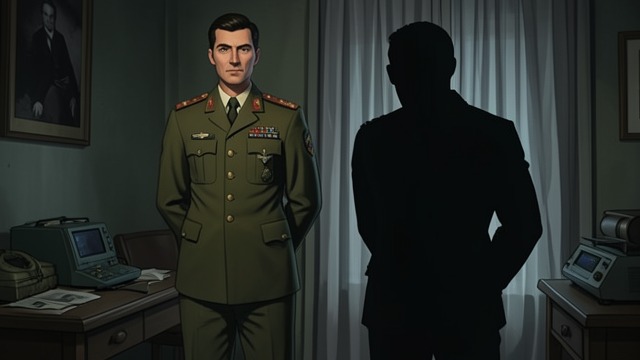
Groves Takes the Stand
A wartime ally qualifies
Leslie Groves praised Oppenheimer’s contribution and loyalty but admitted that he might not clear him under the later legal standard. His testimony confused old confidence with present caution.
Frank enters the story
Groves speculated that Frank might have been involved in the Chevalier affair. The suggestion lacked firm evidence but deepened uncertainty about Oppenheimer’s truthfulness.
Teller’s Qualified Condemnation

Teller’s Qualified Condemnation
Loyalty conceded
Edward Teller said he believed Oppenheimer was loyal. He nevertheless told the board he would feel more secure if other people shaped policy.
A damaging distinction
The testimony avoided calling Oppenheimer a traitor while supporting the conclusion that he was a security risk. It weakened Robert’s professional standing without proving criminal conduct.
The Record Becomes Public

The Record Becomes Public
A transcript released
The AEC published the hearing record, revealing the questions, testimony, and procedural imbalance to the public. The transcript became an important document of the era.
A result beyond Strauss’s control
The release damaged Oppenheimer but also exposed the harshness of the process and later hurt Strauss. The same record that condemned a scientist eventually became evidence against his accusers.
December 1953–April 1954, before proceedings began
April 1954, during Roger Robb’s preparation
April 15, 1954, during the security hearing
April 1954, when Teller testified
June–July 1954, after the commissioners’ ruling
